7/15/26
"Absolutely amazing!"
️️️️️
Made things so easy for me to understand and guided me step by step. Especially Karim.
Jennifer A.


 No one should have to choose between their health, their family, and their job. California and federal laws provide important protections for Modesto workers who need time away from work for medical conditions, family care, pregnancy, bonding with a new child, military-related needs, and other legally protected reasons.
Even with these protections, employees may encounter denied leave requests, pressure to return early, retaliation, or problems being reinstated after leave. Understanding which law applies is important because different types of leave have different eligibility rules, durations, and job-protection requirements.
California employers may be required to provide employees with several types of legally protected leave, depending on the employee’s circumstances and the size and nature of the employer.
Protected leave may include:
An employee may sometimes qualify for protections under more than one law. When that happens, the laws may overlap, run concurrently, or provide different rights depending on the reason for leave.
California employees may be entitled to protected time off under the federal Family and Medical Leave Act (FMLA), the California Family Rights Act (CFRA), or other state and federal laws.
Depending on the applicable law, protected leave may be available for:
 The Family and Medical Leave Act is a federal law that provides eligible employees with up to 12 workweeks of unpaid, job-protected leave during a 12-month period for certain qualifying reasons.
During qualifying FMLA leave, an employer generally must maintain the employee’s group health coverage under the same terms that would have applied if the employee had continued working.
Separate FMLA provisions may also provide longer leave for an eligible employee caring for a covered servicemember with a serious injury or illness.
The California Family Rights Act provides many protections similar to the FMLA but applies to a broader range of employers and qualifying family relationships.
CFRA generally applies to employers with five or more employees and may allow eligible workers to take protected leave to care for:
CFRA can also provide leave for an employee’s own serious health condition and for bonding with a new child.
FMLA and CFRA sometimes run at the same time when the same absence qualifies under both laws. They do not automatically provide 24 separate weeks of leave simply because an employee qualifies for both.
California Pregnancy Disability Leave provides qualifying employees with job-protected leave when they are disabled by pregnancy, childbirth, or a related medical condition.
An employee may be entitled to up to four months of Pregnancy Disability Leave per pregnancy, depending on the period during which the employee is actually disabled.
PDL is separate from CFRA bonding leave. As a result, an employee who qualifies for both protections may be able to take Pregnancy Disability Leave for pregnancy-related disability and then use CFRA leave to bond with a new child.
 A medical leave of absence can sometimes qualify as a reasonable accommodation under California’s Fair Employment and Housing Act (FEHA).
This can be important for employees who do not qualify for FMLA or CFRA, have exhausted available statutory leave, or need additional recovery time because of a disability.
Additional leave is not automatically required in every situation. The employer and employee may need to engage in an interactive process to determine whether a reasonable accommodation is available without creating an undue hardship for the employer.
Eligibility requirements differ between the two laws.
For both FMLA and CFRA, an employee generally must:
Additional employer-coverage requirements apply:
Because eligibility can depend on work location, employee count, hours worked, and the reason for leave, workers should not assume they are ineligible based solely on an employer’s initial response.
FMLA and CFRA generally cover qualifying serious health conditions rather than every routine illness or medical appointment.
Depending on the circumstances, a serious health condition may involve:
Examples may include certain cancers, surgeries, chronic illnesses, serious mental health conditions, and other medical conditions that satisfy the applicable legal requirements.
Pregnancy disability is treated differently under CFRA and may instead be protected under California’s Pregnancy Disability Leave law and other statutes.
An employer’s responsibilities depend on which leave law applies, but qualifying obligations may include:
An employer may violate the law by discouraging employees from taking protected leave, mischaracterizing qualifying absences, or using protected leave as a negative factor in employment decisions.
 Depending on the type of leave involved, an employee may have protections involving:
Not every leave law guarantees identical benefits, continued accrual of seniority, or the same reinstatement rights. The precise protections depend on the law governing the employee’s absence.
Modesto employees may encounter unlawful treatment before, during, or after a protected leave.
Potential violations may include:
If you believe your employer denied protected leave or retaliated against you because you exercised leave rights, potential remedies depend on the law and facts involved.
Available remedies may include:
It can be helpful to preserve leave requests, medical certifications, emails, text messages, attendance records, performance reviews, disciplinary notices, and other communications relating to the leave.
At Matern Law Group, we help California employees understand and enforce their workplace rights. Leave disputes can involve overlapping protections under the FMLA, CFRA, FEHA, Pregnancy Disability Leave law, paid sick leave statutes, and other California and federal laws.
Our Modesto employment lawyers can evaluate the applicable leave protections, review documentation, determine whether an employer’s actions may have violated the law, and explain the options available for pursuing a claim.
 California State Disability Insurance and Paid Family Leave primarily provide wage-replacement benefits. They do not, by themselves, guarantee that an employee’s job will be protected.
Job protection may instead come from laws such as the FMLA, CFRA, Pregnancy Disability Leave law, FEHA, or another applicable statute.
For FMLA eligibility, an employee generally must have worked for the employer for at least 12 months, completed at least 1,250 hours of work during the preceding 12 months, and work at a location where the employer has at least 50 employees within 75 miles.
CFRA generally applies to employers with five or more employees and has similar employee tenure and hours-worked requirements.
In some situations, disability-related leave may also be available as a reasonable accommodation even when FMLA or CFRA does not apply or has been exhausted.
Modesto employees may have the right to take job-protected leave for significant health conditions, to care for qualifying family members, or to bond with a new child.
CFRA and FMLA provide overlapping but not identical protections. CFRA covers a broader range of family relationships, while FMLA contains certain federal military-family provisions that do not operate in exactly the same way under CFRA.
When the same leave qualifies under both laws, FMLA and CFRA generally may run concurrently. When only one law applies, an employee may have additional protections under that particular statute.
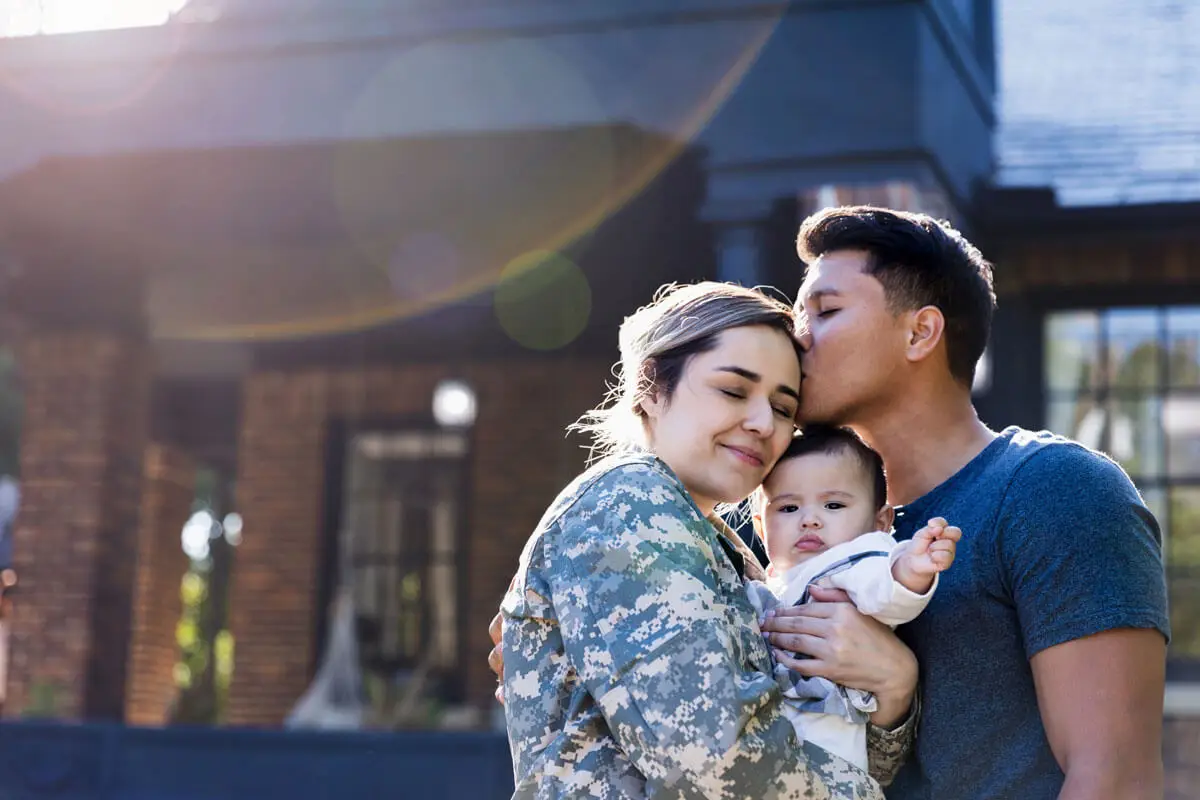 Military leave rights can arise under several state and federal laws, and the protections depend on whether the employee is serving in the military, caring for a servicemember, or dealing with qualifying military-family needs.
Federal law, including the Uniformed Services Employment and Reemployment Rights Act (USERRA), provides important employment and reemployment protections for eligible servicemembers.
FMLA may also provide qualifying employees with leave for certain military-family reasons, including qualifying exigencies associated with a covered family member’s deployment and military caregiver leave.
California law provides additional protections in some circumstances, including military spouse leave and other forms of military-related employment protection.
Because military leave rules differ for public employees, private employees, servicemembers, and family members, eligibility should be evaluated based on the employee’s particular circumstances.
California’s paid sick leave law provides qualifying employees with paid time off that may be used for certain health-related and other legally protected purposes.
California generally requires covered employees to receive at least 40 hours or five days of paid sick leave per year, subject to applicable accrual, front-loading, carryover, and employer-plan rules.
Employees generally qualify for California paid sick leave if they:
Paid sick leave may generally be used for the employee’s own health needs or to care for qualifying family members, among other legally permitted reasons.
Local ordinances can sometimes provide greater protections than state law, so employees should consider whether any additional local requirements apply to their workplace.
 California employees may have several overlapping protections related to pregnancy, childbirth, recovery, and bonding with a new child.
Pregnancy Disability Leave may provide up to four months of job-protected leave when an employee is disabled by pregnancy, childbirth, or a related medical condition.
After pregnancy-related disability ends, an eligible employee may also qualify for CFRA bonding leave. This can allow substantially more protected time than either law would provide by itself because PDL and CFRA bonding leave generally address different purposes.
CFRA bonding protections are not limited to birth mothers. Eligible parents may use CFRA leave to bond with a new child following birth, adoption, or foster placement.
Other protections, including reasonable accommodations and federal FMLA rights, may also apply depending on the employee’s circumstances.
California employees who do not have sufficient time outside working hours to vote in a statewide election may be entitled to time off to vote.
Up to two hours of that time may be paid. The time off generally should be taken at the beginning or end of the employee’s regular working shift, whichever allows the most time for voting and the least time away from work, unless another arrangement is mutually agreed upon.
Employees who know in advance that they will need voting leave generally must provide their employer with at least two working days’ notice.
California employers also have notice-posting obligations concerning employee voting rights before statewide elections.