


 Artificial intelligence (AI) is transforming how employers hire, promote, and evaluate workers. From résumé scanners to productivity algorithms, more and more companies are relying on computer systems to make decisions about employees’ and prospective employees’careers.
Until now, few workers even knew when AI was involved – or how those decisions were made. That changed on October 1, 2025, when California’s new AI workplace rules took effect.
These new regulations give workers more transparency, fairness, and protection when technology is used to make important employment decisions.
Why California Is Regulating AI at Work
California has long led the nation in employment protections, and now it’s doing the same for AI.
As automated tools become common in hiring and workplace management, state lawmakers and the California Civil Rights Department (CRD) are stepping in to ensure that these technologies don’t unintentionally discriminate against protected groups or replace human judgment entirely.
What Counts as an “Automated Decision System”
Under California’s new framework, an Automated Decision System (ADS) means any computer-based tool that helps decide or influence employment outcomes.
That includes more than just advanced “artificial intelligence.” Examples include:
- Résumé screening software that filters applicants.
- Algorithms that score candidates or predict “fit.”
- Tools that track productivity or flag attendance issues.
- Chatbots that conduct preliminary interviews.
- Automated scheduling or performance-ranking systems.
If the system influences hiring, promotion, pay, discipline, or termination, it’s covered under the new rules.
What Changed on October 1, 2025
Since October 1, California employers who use AI or ADS tools must follow strict new rules. The goal: make sure human rights and judgment remain central to employment decisions.
Key Requirements:
- Bias Testing: Employers must evaluate AI tools for discriminatory impact. If a system screens out people based on age, gender, race, or other protected traits, it violates state law – even if the bias is unintentional.
- Human Oversight: Companies cannot rely solely on AI to make major decisions like hiring or firing. A person must review or approve the outcome.
- Recordkeeping: Employers must keep documentation about their AI tools and bias testing for four years.
- Transparency: Employers are encouraged to tell employees and applicants when AI is being used – and may soon be legally required to provide this notice under related state efforts like the proposed No Robo Bosses Act (SB 7).
These requirements fall under the broader protections of the Fair Employment and Housing Act (FEHA) – California’s cornerstone anti-discrimination law.
How the Rules Protect Workers
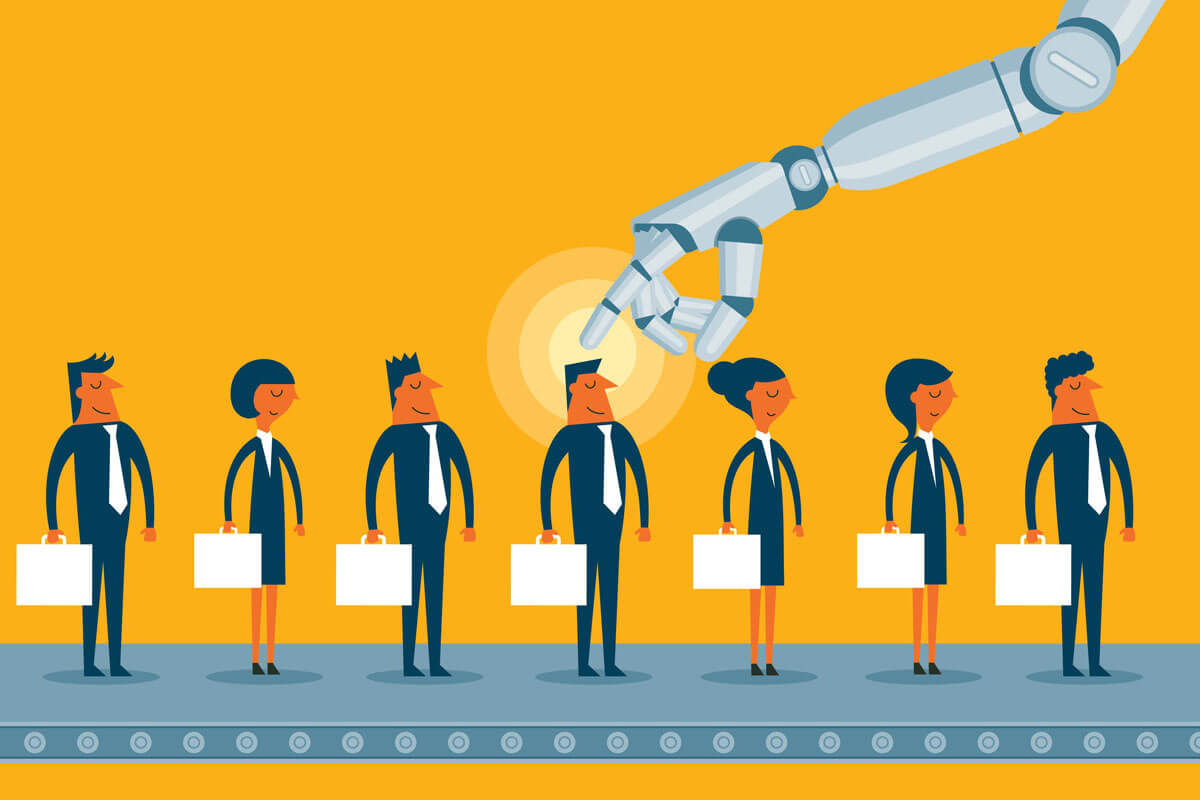 The new regulations are designed to protect employees and job seekers from algorithmic discrimination, which happens when computer systems produce unfair or biased results.
Examples of How This Can Happen:
- An AI system trained on past hiring data learns to favor male applicants over female ones.
- A résumé filter excludes candidates who graduated before a certain year, effectively discriminating by age.
- A productivity algorithm scores workers lower for taking parental leave or medical time off.
Under the new California rules, these outcomes are illegal.
If AI tools disproportionately impact people based on any protected category – such as race, gender, disability, religion, age, sexual orientation, or pregnancy status – employers can be held responsible just as if a human made the biased decision.
Important: The law doesn’t require proof that an employer intended to discriminate – only that the technology resulted in discrimination.
How Courts and Regulators Are Approaching AI Bias
California isn’t alone in addressing these concerns, but it’s setting the pace for the nation. Recent cases show how real the risks are.
In Mobley v. Workday, Inc., a job seeker alleged that an AI-driven hiring system unfairly screened out applicants based on race, age, and disability. The court allowed the case to move forward, signaling that civil rights laws apply to AI just like to people. Source
The new California regulations aim to prevent these situations before they happen – requiring companies to test their algorithms and document how they ensure fairness.
What Rights Workers Have
If you’re a job applicant or employee in California, these new rules give you more control and visibility.
You Have the Right To:
- Fair evaluation: Employers must ensure their AI tools don’t discriminate based on protected traits.
- Human review: Major employment decisions can’t rely on algorithms alone.
- Accountability: Employers must keep a record of AI tools used in hiring or management decisions.
- Transparency: You can ask whether AI was used in evaluating your application or performance.
These rights build on existing FEHA protections, which already make it illegal to discriminate on the basis of personal characteristics, and are now extended to decisions involving AI.
What Employers Are Expected To Do
- Identify every automated tool used in the workplace.
- Conduct regular bias audits to find patterns of unfair treatment.
- Train HR and managers to understand how these tools work.
- Review AI-based decisions before taking employment action.
- Document everything AI-related for at least four years.
 If employers fail to do these things – and a worker is negatively affected – that may form the basis for a discrimination claim.
What Workers Should Watch For
AI systems are often invisible. You might not realize that a machine made a decision about your job. Here are some signs to watch for:
- You apply for a job online but receive an automatic rejection within minutes.
- You’re evaluated by “metrics” or “scores” that you can’t access or understand.
- You notice patterns – for example, older workers or people of color, being laid off or passed over after a new system was introduced.
- You’re told that a “system” determined your performance or promotion status.
If any of these sound familiar, you may have the right to request more information or file a complaint.
How To Protect Yourself
You don’t need to be a tech expert to protect your rights. Here’s what you can do:
- Keep records of any automated messages, reports, or documents about hiring or performance systems.
- Ask questions about how decisions are made – especially in job applications or evaluations.
- Save communications from HR or recruiters referencing “AI,” “automation,” or “algorithmic scoring.”
- Report suspected bias to the CRD or contact an employment attorney.
If you believe technology played a role in discrimination – for example, if you were unfairly rejected for a job or demoted – you can file a complaint just as you would for any other workplace bias.
The Bigger Picture: California Leads the Nation
California’s new AI workplace rules are some of the first of their kind in the United States. Other states and federal agencies are closely watching how they play out.
The goal isn’t to ban AI. It’s to ensure accountability, transparency, and fairness as workplaces become more automated. By combining human oversight with responsible technology, California seeks to create a model that protects innovation and worker rights at the same time.
Fairness First, Even in a Digital Age
AI may be changing the way we work – but it doesn’t change your right to be treated fairly. If a computer or algorithm affects your job, you still have the same legal protections as if a manager made the decision. California’s new rules make sure of that.
At Matern Law Group, we stand with California workers navigating this new digital workplace. If you believe an automated system or AI tool impacted your job, application, or evaluation unfairly, you have rights – and we can help. Call 855-913-1134 for a free, confidential consultation.
Technology is changing fast – but fairness remains the law.