If you don’t win, we don’t get paid: 855-913-1134
Ver en Español

Our PCB contamination attorneys Will Aid Your Legal case

Environmental protection is the responsibility of both businesses and citizens. When negligent actions harm the environment and people, we are ready to hold the powerful accountable.

Environmental Law > PCB Contamination

What Is PCB Pollution?

PCB pollution is contamination of air, water, soil, sediment, or buildings by polychlorinated biphenyls (PCBs), a group of manufactured chemicals historically used in electrical equipment and other materials. PCBs persist in the environment and can accumulate in the food chain. Although U.S. manufacture was banned in 1979, older equipment and materials can remain sources of contamination.

Where Can PCB Contamination Come From?

Potential sources include older transformers, capacitors, fluorescent light ballasts, hydraulic fluids, and certain paints, sealants, or caulking. Releases may occur through leaks, improper disposal, industrial activities, or disturbance of PCB-containing materials. The age of a building or piece of equipment alone does not establish that it contains PCBs.

Examples of Potential PCB Pollution Concerns

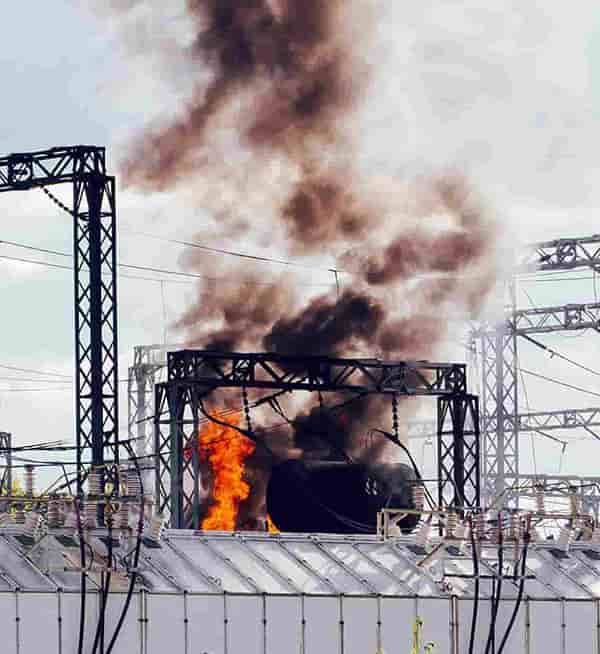
  • Leaking electrical equipment: An older transformer releases PCB-containing fluid into surrounding soil.
  • Contaminated building materials: PCB-containing caulk or other materials contribute to indoor contamination or are improperly handled during renovation.
  • Improper waste disposal: Discarded PCB-containing equipment or materials contaminate a property or nearby waterway.
  • Historical industrial releases: Past operations leave PCB contamination in soil or sediment that remains relevant to property use or cleanup.

What Legal Protections May Apply?

The federal Toxic Substances Control Act and PCB regulations in 40 CFR Part 761 govern matters including certain uses, storage, cleanup, and disposal of PCBs. Applicable requirements depend on the material, concentration, location, and activity involved.

Separate civil claims may also arise under California law. For example, contamination that substantially interferes with property use or enjoyment may support a private nuisance claim when all required elements are established. A regulatory violation does not automatically establish a private right to compensation.

What Facts Matter in a Potential PCB Claim?

A legal review may examine testing results, the suspected source, responsible parties, exposure dates and pathways, alleged injury or property damage, and evidence connecting the conduct to that harm. Exposure, a positive test result, or a health condition alone does not establish liability. Environmental or medical expert analysis may be necessary.

What Records Should You Preserve?

Keep environmental testing reports, agency notices, building or equipment records, relevant medical records, photographs, and documented expenses that you are lawfully entitled to retain. Avoid disturbing suspected PCB-containing materials; qualified professionals can assess appropriate testing and handling.

Legal sources: EPA: Learn About PCBs; 40 CFR Part 761: PCB Regulations; and California Civil Jury Instructions: Private Nuisance.

Request a Free Case Review

Concerned about PCB contamination affecting your health or property? Matern Law Group can review your circumstances and explain potential legal options.

California PCB pollution lawyersPCB pollution cases involve complex issues and require an experienced environmental law attorney who knows how local, regional and federal environmental regulations apply.

PCB pollution refers to the contamination of the environment, particularly air, water, and soil, by polychlorinated biphenyls (PCBs). PCBs are a group of synthetic organic chemicals that were widely used in various industrial and commercial applications from the 1930s to the late 1970s.

They were primarily used as insulating fluids in electrical equipment, such as transformers and capacitors, as well as in hydraulic systems, lubricants, and various other industrial applications.

PCBs are persistent organic pollutants, meaning they don’t break down easily in the environment and can persist for a long time. They are also known to be toxic to humans and wildlife. Exposure to PCBs can occur through various routes:

  • Consumption of contaminated food: PCBs can accumulate in the fatty tissues of fish, animals, and humans. Consuming contaminated seafood or animal products can lead to PCB exposure.
  • Inhalation of contaminated air: PCBs can be released into the air through industrial processes, waste incineration, and other sources. People who live or work near these sources may inhale PCB-contaminated air.
  • Skin contact: Direct contact with PCB-contaminated soil or water can also lead to exposure, especially if the skin is in contact for an extended period.

Due to their harmful effects on human health and the environment, many countries have banned or heavily restricted the production and use of PCBs. However, PCB pollution remains a concern due to the persistence of these chemicals in the environment and the legacy of past use.

Consumer rights regarding PCB exposure typically revolve around the following aspects:

  • Right to Information: Consumers have the right to be informed about products that may contain PCBs. Manufacturers and regulatory authorities are responsible for labeling and providing information about the presence of PCBs in products.
  • Right to Safety: Consumers have the right to expect that products they use are safe and do not pose health risks due to PCB contamination. This includes products like electrical equipment, consumer goods, and food.
  • Recourse for Harm: If consumers suffer harm as a result of PCB exposure from products or environments, they may have legal recourse to seek compensation for medical expenses, pain and suffering, and other damages. Lawsuits may be filed against responsible parties, such as manufacturers or entities responsible for environmental contamination.
  • Advocacy and Regulation: Consumer advocacy groups and individuals have the right to push for stricter regulations on PCBs and other hazardous chemicals. They can advocate for stronger environmental protection laws and enforcement.
  • Access to Safe Products: Consumers have the right to choose products that are free from hazardous chemicals, including PCBs. This may involve supporting businesses and products that prioritize safety and environmental responsibility.

Individuals should follow safety guidelines and regulations in their region to minimize the risk of PCB exposure. If there are concerns about your potential exposure to PCBs, consulting with local environmental agencies and healthcare professionals is advisable.

If you believe you have been harmed by an exposure to PCBs, you may have a legal claim. You can talk with our experienced lawyers to learn more about your rights and legal options.

Our Approach

Our Practices are Guided by Integrity. We’ll protect what you deserve.

We work tirelessly and fight tenaciously to hold rights abusers accountable.

If you’ve experienced a distressing incident related to an issue like this, call us for a free case evaluation.

Did You Know?

PCB Pollution
PCB pollution refers to the contamination of the environment, particularly air, water, and soil, by polychlorinated biphenyls (PCBs). PCBs are a group of synthetic organic chemicals that were widely used in various industrial and commercial applications from the 1930s to the late 1970s.

Is It Illegal, or Just Unfair?

Legal cases can be lengthy, complicated, and confusing, but you don’t have to take on the system all by yourself. If you believe someone has violated your individual rights, or the rights of a large group of people in your community, we can help you find the right course of action.

Complete the form below or call: 855-913-1134 for a FREE consultation today.

"*" indicates required fields

This field is for validation purposes and should be left unchanged.
Name*
Texting Consent*
* Do you give us permission to send you text messages about your inquiry?